Where Humic Acid Comes From: Why Source Matters
Most humic acid comes from leonardite, and deposits vary widely in quality. Why the source and the extraction process shape how a humic acid product performs.
Education
Not all humic acid starts in the same place
Two products can both say “humic acid” on the label and behave nothing alike in the soil. The reason usually has less to do with the number on the front of the bag and more to do with where the material came from and how it was processed. For a professional grower or agronomist evaluating an input, that distinction is worth understanding before it costs a season.
Where humic acid comes from
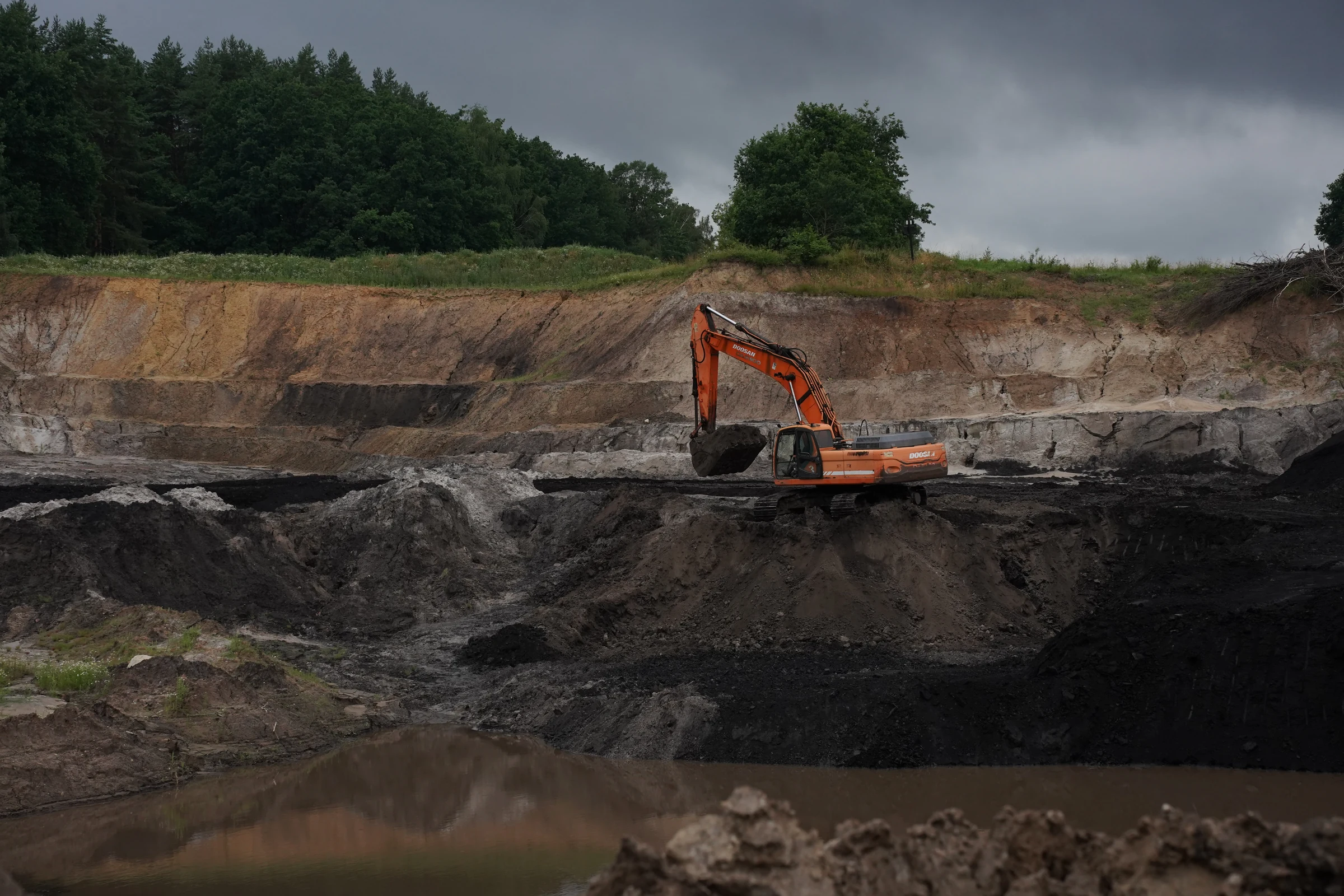
Most agricultural humic acid is extracted from leonardite, a soft, oxidized form of lignite, or brown coal. It formed over millions of years as ancient plant material broke down slowly in low-oxygen conditions, a process called humification. Where that lignite was exposed to oxygen near the surface, it oxidized further, and that oxidation is what concentrates the humic and fulvic substances that make leonardite valuable. It is one of the richest natural sources of humic substances on earth, which is why it has become the standard raw material for quality humic acid products.
Leonardite is not the only source. Humic substances also come from peat, compost, and other materials. But leonardite is generally regarded as the most consistent and stable starting point, because its structure is already mature. It does not shift batch to batch the way compost-derived material can, where temperature, moisture, and inputs change the end result.
It also carries both of the fractions growers care about. Humic acid and fulvic acid are related humic substances that come from the same source material, and both play a role in how soil holds and delivers nutrients. A good source gives you access to both.
Why the source is not a technicality
Leonardite is not uniform, and most product sheets do not mention it. Deposits around the world differ in humate content, biological activity, ash content, and contaminant load. Depending on the deposit, the humic acid content of the raw material can range from as little as ten percent to more than eighty percent. Two deposits, both technically leonardite, can produce very different finished products.
That variability does not disappear during manufacturing. A finished humic acid product is only as good as the material it started with. If the source is inconsistent, the product will be inconsistent, no matter how it is labeled. And most labels only report the percentage of humic acid in the finished product. They tell you very little about the quality or consistency of the source behind it.
Extraction adds a second variable
Once leonardite is mined and milled, the humic substances have to be separated out. The common approach is alkaline extraction, dissolving the material in a solution such as potassium or sodium hydroxide to release the humic and fulvic fractions. The details of that process matter. The concentration of the solution, the extraction time, and how ash and insoluble material are handled all affect what ends up in the finished product.
So there are really two questions behind any humic acid product. What was the quality of the source material, and how controlled was the extraction? A manufacturer that buys leonardite from several third-party suppliers with different characteristics and then blends it is starting from a moving target. Consistency becomes much harder to guarantee, because the inputs themselves keep changing.
Why consistency matters to your program
For a grower, consistency decides whether you can build a program around an input. If a product performs one way this season and differently the next because the underlying material changed, you cannot plan your fertility program around it, and neither can the agronomist recommending it.
That is why careful operations ask about source material. The percentage on the label tells you how much humic acid is in the product, but not where it came from. Between two humic acid products, the source explains most of the difference.
Questions worth asking any manufacturer
If you are evaluating a humic acid input, these are fair and reasonable questions to put to the company selling it:
Where does your source material come from?
Is it single-source, or blended from multiple suppliers?
How do you control for consistency from batch to batch?
What does your extraction process look like?
A manufacturer confident in its source and process will have straightforward answers. Vague responses are worth noting.
How Veracrop approaches it
Veracrop’s parent company mines its own leonardite deposit and manufactures HUMIFOR from it, so every batch uses the same material and the same process. Supply does not depend on buying raw material from outside suppliers.
For growers, and for the agronomists, dealers, and distributors who advise them, that matters because an input is only useful if it behaves the same way every time it goes on.
Knowing where humic acid comes from will not make the buying decision for you, but it will change the questions you ask a supplier. Start with the source.